Nature’s Clever Hitchhiker
Cuckoo Catfish are one of the most intriguing residents of Lake Tanganyika, known for their bold patterns, confident movement, and unmistakable presence in the tank. At first glance, they come across as active, social catfish that seem to be everywhere at once, darting through rockwork, cruising open water, and always staying just close enough to the action.
Spend a little more time watching them, and their personality really starts to unfold. Cuckoo Catfish are alert, intelligent, and surprisingly expressive, often appearing to study their surroundings and tankmates as much as we study them. They add a constant sense of motion and curiosity, filling in the spaces between rocks and fish activity with purpose and intent.
What truly sets them apart, though, is how seamlessly they fit into a community tank. They’re bold without being disruptive, social without being demanding, and endlessly interesting without stealing the spotlight. In a well-designed setup, Cuckoo Catfish become a natural part of the rhythm of the tank, always present, always engaging, and never boring.
Care Profile
◦ Origin: Lake Tanganyika
◦ Temperament: Peaceful to Semi-Aggressive
◦ Tank Size: 55 gallons or more
◦ Aquascape: Rockwork with open swimming areas
◦ Diet: Omnivore
◦ Breeding: Brood parasite
◦ Temperature: 75-80°
◦ Water Quality (ph): 7.8 – 8.6
◦ Nitrates: ≤ 40ppm
Life Among the Roots
Cuckoo Catfish do best in environments that balance structure with open space. Submerged plants like Bolbitis or Crinum can be used sparingly to soften rockwork without blocking swimming paths. Emerged plants such as pothos, spider plants, or syngonium thrive with their roots in the water, helping maintain water quality while reinforcing a layered, natural ecosystem that supports both exploration and calm.
Did You Know?
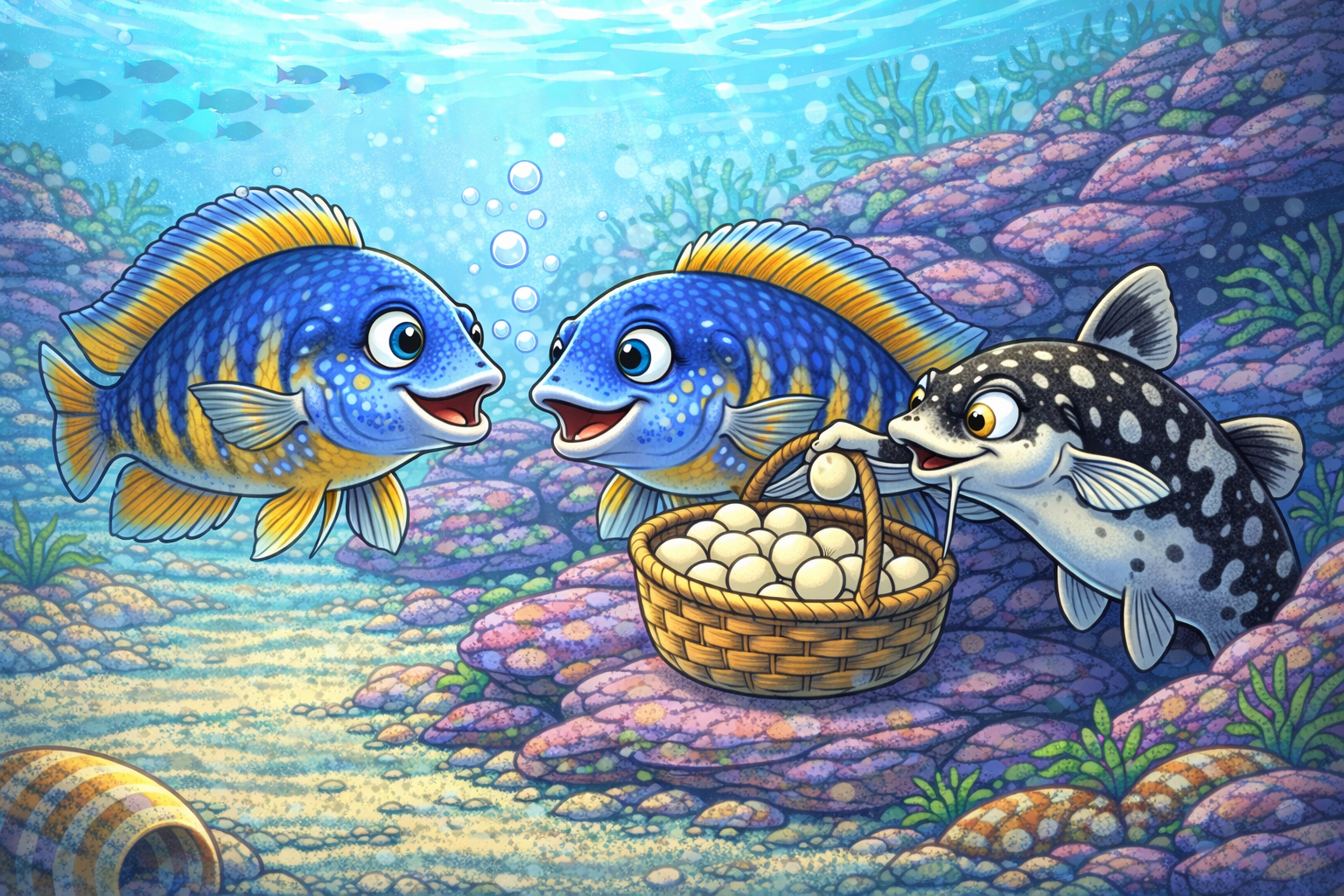
Known as “cuckoo catfish,” multipunctatus trick mouthbrooding cichlids into picking up their eggs, giving the catfish a safe head start in life.